
[ad_1]
[Jan Mrázek] is on a quest to make your resin 3D prints more accurate, more functional, and less failure prone. Let’s start off with his recent post on combating resin shrinkage.
When you want a part to have a 35 mm inner diameter, you probably have pretty good reasons, and when you draw a circle in your CAD software, you want a circle to come out in the real world. Resin shrinkage can put a kink in both of these plans. [Jan] identifies three culprits: resin squeezing, resin shrinkage, and exposure bleeding. And these three factors can add up in unexpected ways, so that you’ll get a small reference cube when you print it on its own, but large reference cubes when printed as a group. [Jan]’s article comes with a test piece that’ll help you diagnose what’s going on.
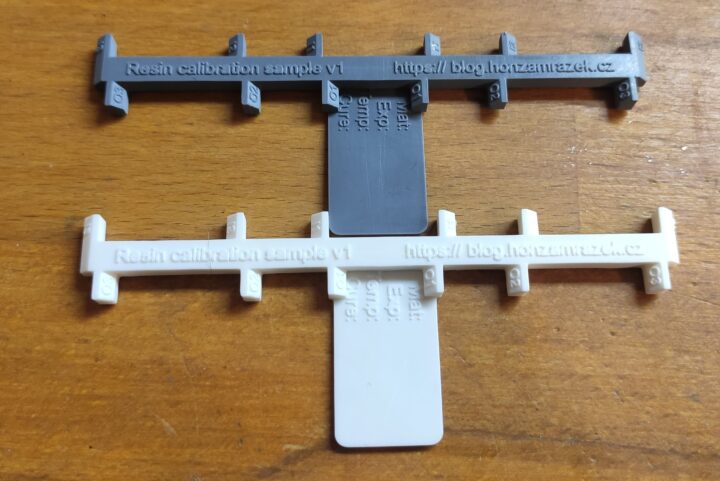
While you’re down this rabbit hole, check out [Jan]’s post on viscosity effects and elephant’s foot. If you’re plagued by odd first layers, this is a tremendous resource with one simple takehome lesson: wait longer in the beginning to allow the resin to flow in.
Whether you’re just diving into resin printing, or a seasoned pro, we have a ton of interesting resources. From this article on picking the right resin, to this on whether to use resin or FDM, you have a lot of reading to do. And that’s not even mentioning the gooey Hack Chat last fall with [Andrew Sink], where both he and the crowd dispensed much wisdom.
[ad_2]
Source link


More Stories
Unlock the Future: How Brain Tech Is Redefining Human Potential
Unlocking the Mind: The Cutting-Edge Frontier of Neurotechnology Research
Neuro-Revolution: How Brain Technology is Rewriting Human Possibilities